The Shukla Group develops computational and experimental methods to investigate biological systems in atomistic detail. As we move from a static structural picture to a dynamic ensemble view of protein structure and function, new computational and experimental paradigms are needed for a quantitative understanding of biological phenomena. We combine artificial intelligence, molecular dynamics simulations and high-throughput experiments to understand how proteins move and function and to engineer them, with a particular focus on two problems: molecular transport and chemical perception.


Theme 1
AI for protein dynamics and design
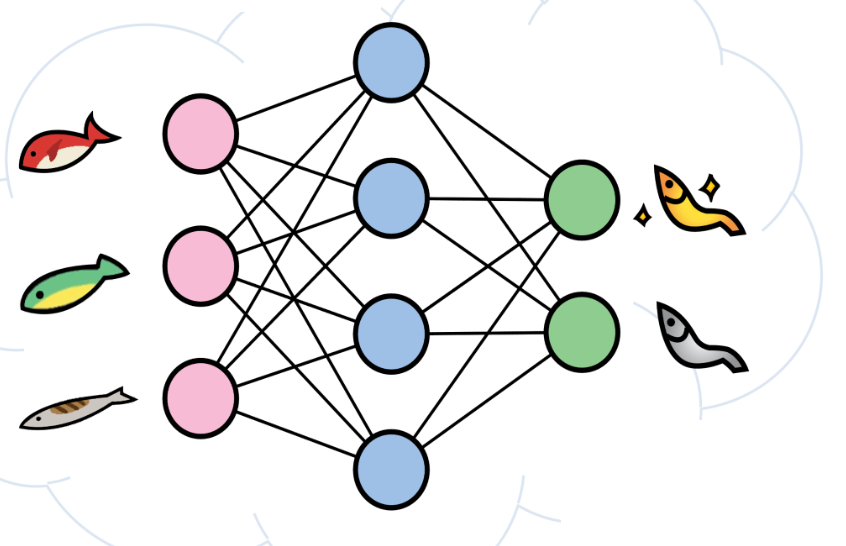
We build machine learning models that learn from protein sequences, structures and simulations. ESMDynamic predicts conformational dynamics directly from sequence and maps them across the human proteome, and models such as EZSpecificity predict enzyme substrate specificity to guide the design of proteins, enzymes and binders.
Theme 2
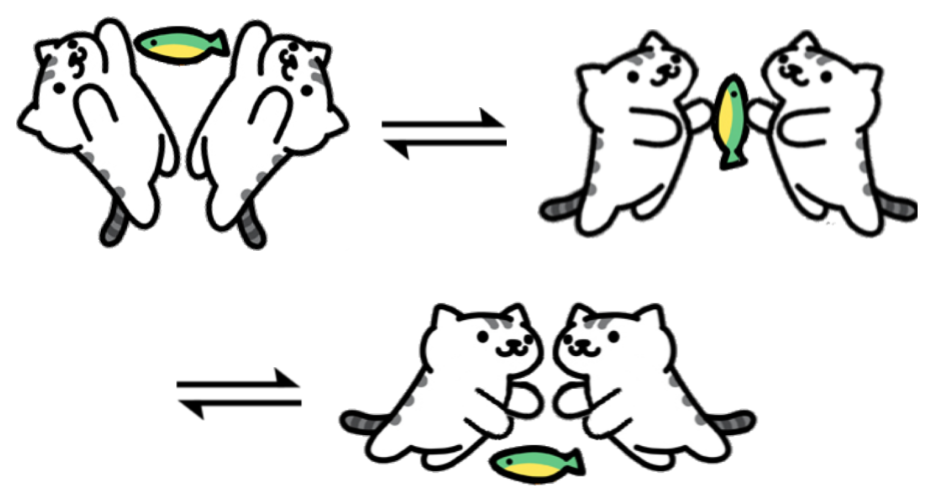
Simulation methods and adaptive sampling
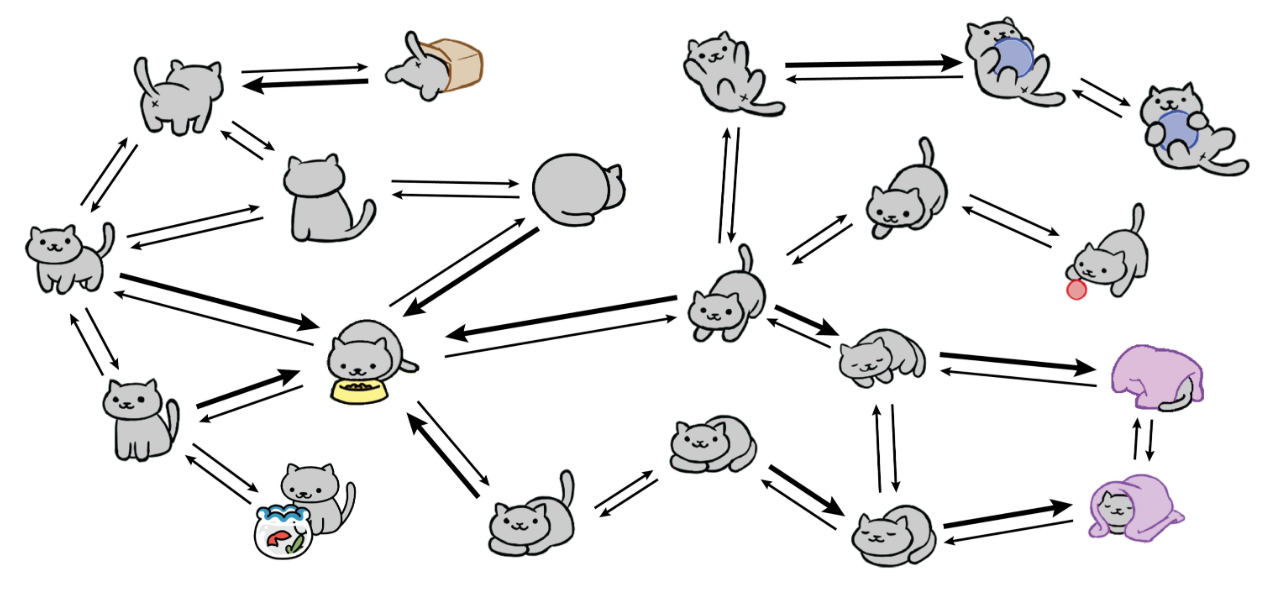
Biologically important conformational changes are rare events. We develop adaptive sampling strategies, Markov state models and experiment-guided simulation methods that make them accessible, and release them as open-source tools.

Theme 3
High-throughput experiments
Our wet lab tests computational predictions at scale for drug discovery, agrochemical discovery and protein engineering. Using deep mutational scanning, yeast two-hybrid and biosensor screens, cell-free expression, mass spectrometry and automated biofoundry workflows, we generate the large datasets that train our models and validate promising designs, including in plants.
Theme 4
Molecular transport across membranes
We develop and employ computational and experimental tools to elucidate the mechanistic principles that regulate function at the molecular scale. We study how transporters move sugars and other cargo across membranes, from the plant SWEET family and neurotransmitter transporters to the malaria parasite hexose transporter PfHT1, combining simulations with deep mutational scanning.


Theme 5
Chemical perception and signaling
We investigate how receptors sense small molecules and switch on signaling, including plant hormone receptors, G protein-coupled receptors (GPCRs) and kinases, and use these insights for drug and agrochemical discovery.

Funding and support
PublicationsSoftwareJoin the group
The illustrations on this page were not created using generative AI. The original versions were made by former graduate students Matthew Chan and Jiming Chen. Cat illustrations adapted from Neko Atsume: Kitty Collector, © Hit-Point Co., Ltd.